Brent Council removal permits: Neasden guide

Moving in Neasden is rarely just about boxes, tape, and a van. If your removal vehicle needs space on a busy road, you may also need to think about parking permissions, loading restrictions, and the practical reality of getting everything in and out without a last-minute scramble. That is where this Brent Council removal permits: Neasden guide comes in. The aim is simple: help you understand when a permit may be needed, how the process usually works, and how to avoid the sort of moving-day hiccup that turns a straightforward job into a stressful one.
Truth be told, parking is often the detail people leave too late. Then it is 8:30 in the morning, the van is outside, the lift has arrived, and someone is circling the block looking for somewhere legal to stop. Not ideal. This article walks you through the local considerations in plain English, with practical advice for homes, flats, and business moves in and around Neasden.
- Why permits matter in Neasden
- How the process typically works
- Benefits and practical advantages
- Who needs to plan ahead
- Step-by-step guidance
- Expert tips from the ground
- Common mistakes to avoid
- Tools, resources and recommendations
- Law, compliance and best practice
- Options and comparison
- Real-world example
- Practical checklist
- Frequently asked questions
Why Brent Council removal permits: Neasden guide Matters
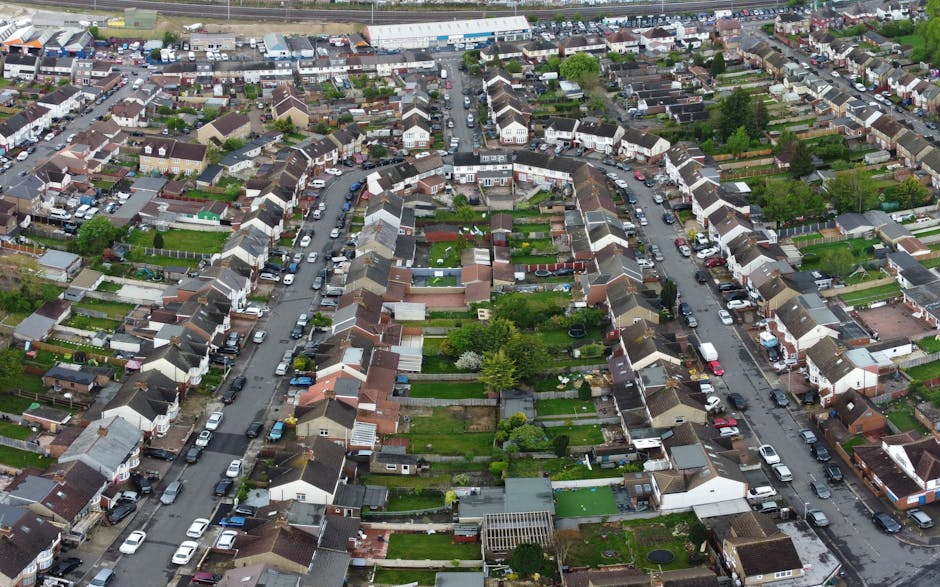
In Neasden, the challenge is not just the move itself. It is the mix of residential streets, busier through-roads, time-restricted bays, possible suspensions, and the general squeeze that comes with London parking. A removal permit, suspension, or temporary parking arrangement can be the difference between a calm unload and a stressed-out bottleneck.
For many households, the main issue is access. If your property sits on a narrow road, near a junction, or on a street where parking is already tight, a removal van may need a designated space close to the entrance. Without planning, the crew may have to carry sofas, beds, and wardrobes much farther than expected. And when you are dealing with a heavy chest of drawers on a damp morning, that extra distance really matters.
This also affects neighbours and other road users. Good planning helps keep pavements clear, reduces obstruction risks, and makes the whole move feel more orderly. That is especially useful in places where flats share access points or where loading windows are limited.
If you are still at the early planning stage, it can help to think about the move as a whole. A clear schedule, careful packing, and sensible load planning all work together. Our pre-move decluttering guide and packing advice for movers can make the permit side easier too, because less clutter often means a faster, cleaner loading process.
How Brent Council removal permits: Neasden guide Works
There is no single universal setup for every move, because the exact parking rules depend on the street, bay type, and timing. In practice, removal-day parking planning usually involves some combination of the following: checking whether the vehicle can legally stop, confirming whether a bay suspension or dispensation is needed, and making sure the van driver knows exactly where to park and for how long.
The wording people use varies. Some say "removal permit," others mean a parking suspension, temporary loading permission, or simply the right to stop for moving purposes. The important point is not the label. It is whether the location you want to use is legally available for the time you need.
In Neasden, this matters in a few common scenarios:
- you are moving from or into a street with limited kerb space;
- there are pay-and-display bays, resident bays, or time-limited restrictions;
- you need space for a larger removal van or multiple trips;
- the property is in a flat with awkward access or shared frontage;
- you expect loading to take longer than a quick drop-off.
A useful way to think about it is this: the closer the move is to a busy road, the more likely parking needs to be part of the plan rather than an afterthought. That is especially true if the move involves furniture removals, office items, or bulky pieces like pianos. If that sounds like your situation, our furniture removals support in Neasden and piano moving service pages may also be useful when you are weighing up the logistics.
What you should confirm before moving day
Before you book anything, make sure you know the exact address, the access point for the van, the time window you need, and whether the street has restrictions that could affect the loading bay or kerb space. A small detail can change the whole plan. For example, a street that looks quiet on a Sunday afternoon can be a different story on a weekday morning.
It is also wise to check whether your removal team is using a van, a larger removal vehicle, or a smaller man-and-van setup. The parking footprint is not the same, and neither is the time required to load. If you are comparing options, our man and van in Neasden, removal van service, and general removal services pages can help you decide what fits the move.
Key Benefits and Practical Advantages
Getting the parking side sorted brings more benefits than people expect. It is not only about avoiding a ticket. It is about making the whole move flow properly from the first box to the last chair.
- Less time lost - the vehicle can park closer, so loading and unloading are faster.
- Lower physical strain - shorter carry distances reduce the chance of knocks, slips, and tired backs.
- Fewer delays - the team can work to a realistic schedule instead of improvising.
- Better protection for belongings - fewer handoffs and less shuttling means lower handling risk.
- Cleaner neighbour relations - good planning looks considerate, and that matters in tight streets.
There is also a commercial angle. If your parking plan is weak, the move may take longer. If it takes longer, the labour cost can creep up. People often focus on the obvious quote and miss the knock-on effect of access issues. We cover that in more depth in our guide to spotting hidden removal fees. Worth a look, honestly.
Another advantage is peace of mind. Moving day already contains enough variables: keys, lifts, weather, traffic, the one box nobody labelled properly. Having the parking piece settled takes one big unknown off the table.
Expert summary: In Neasden, the smartest removal plan is usually the one that treats parking as part of the move itself, not as a separate admin task. Space, timing, and access work together.
Who This Is For and When It Makes Sense
This guide is relevant for a wide range of people, but especially for anyone moving in a part of Neasden where parking is tight, access is awkward, or timing is sensitive. If you are wondering whether all this applies to you, the answer is probably yes if any of the following sound familiar.
- You live on a residential street with limited parking.
- You are moving from a flat and the van needs to stop close to a staircase or communal entrance.
- You are managing a same-day move and cannot afford delays.
- You need to move bulky furniture, fragile items, or heavier loads.
- You are coordinating tenants, landlords, or building managers.
- You are running an office move and need loading to happen cleanly and quickly.
Students often underestimate this too. A small move may look simple, but if you are leaving student accommodation with a van full of boxes, bedding, and a desk, access can still be a headache. If that is your situation, the student removals page for Neasden is a handy reference.
For office relocations, parking can be even more important because the schedule is usually tighter and the items more varied. Computer equipment, filing, furniture, and boxed documents all need a sensible loading point. Our office removals in Neasden page gives a better sense of that kind of move.
Step-by-Step Guidance
Here is a straightforward way to handle the parking and permit side of a removal in Neasden. Keep it simple. That usually works best.
- Check the street conditions early. Look at the road layout, bay markings, restrictions, and the actual space available near the property.
- Work out the vehicle size. A compact van, a standard removal van, and a larger moving vehicle all create different parking needs.
- Estimate loading time honestly. If you are moving a one-bed flat with stairs, it may take longer than you first think. Be fair with yourself here.
- Confirm the moving date and time window. Midweek mornings, school-run periods, and busy commuter times can all change the equation.
- Decide whether a permit or suspension is needed. Some streets may need more formal parking arrangements than others.
- Book the removal service with access in mind. Tell the team about narrow roads, controlled parking, steps, and any gate or entry codes.
- Prepare the property. Move boxes away from the entrance, protect flooring, and make sure there is a clear path for carrying items out.
- Keep communication open on the day. If parking is blocked, let the driver know quickly so they can adapt without wasting time.
If you want the move to feel less chaotic, use a structured preparation plan. Our house move planning guide is a useful companion piece, and the local checklist for moving near Neasden Station is especially practical if your route crosses busier streets.
One small but important point: do not leave all of this until the final 48 hours. That is when people start making rushed assumptions, and rushed assumptions are where moving-day stress sneaks in.
Expert Tips for Better Results
After enough moves, a few patterns become obvious. The best outcomes usually come from the least dramatic plans. Boring, almost. But effective.
1. Measure the access, not just the room
A lot of people know the size of their sofa but not the width of the hallway, turn in the stairwell, or distance from kerb to door. These details affect how long unloading takes, which in turn affects parking needs.
2. Assume the first parking option may fail
It sounds pessimistic, but it is realistic. A space may be blocked by another vehicle, a skip, or a morning delivery. Have a backup point in mind so the move does not stall while everyone stands there looking at the road. Not a great look.
3. Use the move to reduce clutter
The fewer unnecessary items you move, the less time you need on the street. That is one reason decluttering pays off twice: once in packing, and once in parking efficiency. If you need help deciding what to keep, donate, store, or discard, this decluttering guide is worth your time.
4. Protect bulky or awkward items properly
Oversized furniture or delicate pieces can slow everything down if they are not prepared well. Taking ten minutes to wrap, dismantle, or pad an item can save a lot more time at the kerb. For specialised items, our guides on piano moving risks and moving beds and mattresses give practical context.
5. Keep the van loading zone calm
This sounds obvious, but it matters. One person should direct where boxes go, another should manage the door, and nobody should be wandering around asking where the kettle bag is while the driver is trying to reverse. Small bit of discipline helps a lot.
Common Mistakes to Avoid
Most problems are avoidable. The tricky part is that they often look minor until they become expensive or inconvenient.
- Leaving parking planning too late. By then, options are limited and stress is high.
- Guessing about restrictions. "It should be fine" is not a plan.
- Booking the wrong vehicle size. Too big and parking becomes harder; too small and you may need multiple trips.
- Ignoring loading time. A move with stairs, narrow entrances, or fragile furniture often takes longer than expected.
- Failing to mention access issues. Drivers need the real picture, not the optimistic version.
- Using the pavement or double parking without checking legality. That can create risk for everyone and should never be assumed acceptable.
- Forgetting waste and leftovers. If you are leaving behind bulky items, make sure you know how they will be handled. Our bulky waste in Neasden guide is useful here.
A very common one is this: people pack beautifully, then realise the van cannot stop near the front door. That is a classic "good packing, bad logistics" situation. You can avoid it with a bit of street-level planning.
Tools, Resources and Recommendations
You do not need a complicated toolkit for this. A few basic things can make a huge difference.
- Printed move plan: address, phone numbers, arrival time, and loading sequence.
- Simple measuring tape: useful for doors, stair turns, and furniture dimensions.
- Labels and marker pens: helps keep loading orderly when space is tight.
- Protective covers and blankets: reduce the risk of scuffs when items are moved quickly.
- Storage boxes and tape: standard moving kit, but worth choosing sturdy ones rather than flimsy bargain boxes.
If you are still gathering supplies, the packing and boxes page is a sensible place to start. And if some of your items need temporary holding before move-in, storage in Neasden can give you breathing room.
There are also a few useful preparation habits that are easy to overlook. For example, if you have a freezer that will not be used for a while, it is worth preparing it properly rather than simply unplugging and forgetting it. That kind of detail sounds small, but it saves headaches later. The same is true for sofas, mattresses, and other items that need careful handling. If you like practical, low-drama moving advice, those maintenance-minded habits matter.
Law, Compliance, Standards, or Best Practice
Parking and loading around removals sits within normal UK road and parking rules, local traffic controls, and whatever conditions apply on the street. Because these arrangements can change depending on the road, it is sensible to treat council guidance and local signage as the final word rather than relying on assumptions or old advice from a previous move.
From a best-practice perspective, the key principles are straightforward:
- do not obstruct traffic or access routes unnecessarily;
- do not assume a loading stop is automatically permitted everywhere;
- do not ignore signs, markings, or time restrictions;
- plan enough time for safe loading and unloading;
- make sure your removal team is insured and working safely.
Safety is not an add-on. It is part of the job. A reputable removals provider should be able to work in a way that respects local parking controls and practical access issues. You can read more about the company's approach in its health and safety policy and insurance and safety information.
Best practice also means being honest about the move size. If the job is larger than first expected, or if access turns out to be more complicated, it is better to adapt early than to force a poor setup. That is true whether you are moving a flat, a house, or an office.
Options, Methods, or Comparison Table
There are usually three broad ways to handle parking for a move in Neasden. The right option depends on your street, timing, and the scale of the job.
| Option | Best for | Pros | Watch-outs |
|---|---|---|---|
| Informal kerbside loading | Quiet streets with enough room | Simple, fast, minimal admin | Can fail if space is taken or restrictions apply |
| Temporary parking arrangement or suspension | Tight streets, busy roads, precise loading needs | More predictable access, less carrying distance | Needs proper planning and timing |
| Alternative parking with a shorter carry | When the front of the property is unavailable | Can still work if carefully managed | More physical effort, slower load times |
In real life, people often use a mix of these. For example, they may secure a nearby stopping point, then use trolleys and good packing to keep things moving. That can work fine, but only if the route from van to property is safe and not too long.
If you are deciding between a smaller van setup and a full removal service, the comparison usually comes down to time, load size, and access complexity. Smaller moves may suit man with a van support, while larger household or office relocations are often better served by a more complete package such as house removals or full removals in Neasden.
Case Study or Real-World Example
Here is a realistic local scenario. A family moving from a first-floor flat in Neasden had a removal van booked for the morning. The property looked straightforward at first glance, but the street filled quickly and the nearest legal stopping point was farther away than expected. The stairwell was tight, the lift was not an option, and several bulky items needed careful handling.
Because the access had been discussed properly in advance, the team arrived with the right vehicle size, the family had already reduced their clutter, and the larger items were prepared before the van arrived. There was still a bit of juggling - there always is - but the move stayed controlled. No frantic parking hunt, no double handling, no awkward waiting around with a mattress in the hallway.
What made the difference? Not luck. Planning. The family had checked street restrictions, confirmed loading details, and kept the most essential items separate. They also used storage for a few things that did not need to move that day, which took pressure off the van space. A neat example of how logistics and packing support each other.
That kind of move is common in Neasden, especially where flats, shared entrances, and narrow streets overlap. If your move is anywhere near that level of complexity, small decisions become big ones. And a slightly boring decision, like sorting parking early, can save a surprisingly large amount of hassle.
Practical Checklist
Use this checklist before moving day. It is simple, but it works.
- Confirm the full moving address and access point.
- Check street parking restrictions and bay markings.
- Decide whether a permit, suspension, or alternative loading plan is needed.
- Choose the right vehicle size for the load.
- Tell the removal team about stairs, narrow hallways, gates, and entry codes.
- Pack and label boxes clearly.
- Separate fragile, heavy, and urgent items.
- Prepare bulky furniture in advance where possible.
- Arrange waste removal or bulky item disposal if needed.
- Keep a contact phone charged and easy to reach on the day.
- Clear the path from door to van.
- Have a backup parking plan in case the first spot is unavailable.
If you want a little more moving-day confidence, it also helps to use a wider checklist that covers packing, timing, and access. Our guides on avoiding parking suspensions in Neasden and access and parking near Neasden Temple give useful local context.
Quick takeaway: the earlier you sort parking, the easier everything else becomes. It sounds almost too simple, but that really is the truth of it.
Get a free quote today and see how much you can save.
Conclusion
Brent Council removal permits in Neasden are not just an admin detail. They are part of the actual move. When parking is planned properly, the day feels calmer, the load runs faster, and everyone spends less time improvising in the street. That matters whether you are moving a studio flat, a family house, or an office full of desks and files.
The best approach is usually straightforward: check access early, choose the right vehicle, prepare your items well, and treat parking as part of the moving plan from the beginning. Do that, and you are much less likely to hit the usual London moving-day snags.
If you are nearing your move date, take a breath and work through the basics one more time. A little preparation goes a long way, and it tends to show on the day. There is something reassuring about a move that simply gets done, without drama. Quietly, neatly, job finished.
Frequently Asked Questions
Do I need a removal permit for a move in Neasden?
Not every move needs a formal permit, but many do need some kind of parking plan. If the van has to stop on a restricted street, in a tight bay, or in an area with time-limited controls, you should check the local parking rules before moving day.
What is the difference between a permit and a parking suspension?
People often use these terms loosely. In practice, a permit may allow a vehicle to park or load in a specific way, while a suspension temporarily removes normal bay use. The exact arrangement depends on the street and the type of restriction in place.
How far in advance should I sort parking for my move?
As early as possible. The safest approach is to confirm access and parking as soon as you know the moving date. Leaving it to the last minute can limit your options, especially in busier parts of Neasden.
What happens if the van cannot park near my property?
If the van has to stop farther away, the move may take longer and involve more carrying. That can increase strain and delay loading. A backup plan helps, but it is better to avoid this situation where you can.
Are flat moves more likely to need parking planning?
Usually yes, especially if the property has stairs, shared entrances, or limited kerb space. Flat moves often involve more walking between the van and the door, so parking position matters a lot.
Can a man and van service handle parking issues better than a larger removal team?
Sometimes a smaller van is easier to place on a busy street, but the right choice depends on the size of the load and the access route. A smaller vehicle can help with parking, though it may not be enough for a larger move.
What should I tell the removal company before the job starts?
Give them the full address, access notes, stair details, parking restrictions, loading time expectations, and any bulky items. The more honest and specific you are, the easier it is to plan properly.
How can I reduce the time the van spends parked outside?
Declutter before the move, label boxes clearly, dismantle large items where sensible, and keep the route from the property to the van clear. A tidy and prepared space really does speed things up.
What if there is already a car parked where I need the van to stop?
This happens more often than people expect. That is why you should have a fallback location in mind. Do not assume the ideal space will be free just because it is free the day before.
Is it worth booking storage if my parking is limited?
It can be. If your move is split across days or some items are not needed immediately, storage can reduce pressure on the van and shorten the loading window. It is a practical option when space is tight.
Should I worry about bulky waste on moving day?
Yes, if you are leaving behind large items or rubbish. Bulky waste can slow the move if it is not dealt with in advance. It is better to plan disposal separately so the van is reserved for what you are actually taking.
What is the biggest mistake people make with removal permits in Neasden?
Leaving it too late, without question. The second biggest mistake is assuming parking will somehow work itself out on the day. It usually does not. A bit of planning saves a lot of stress, and that is especially true on a busy London street.