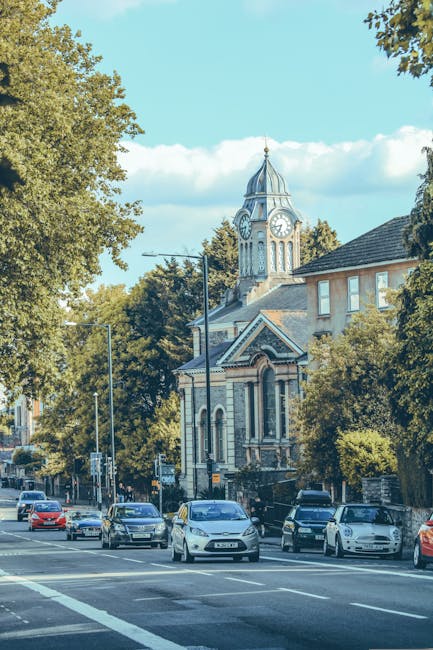
NW10 moves: best streets, parking and drop-off tips
Moving in NW10 can feel straightforward on paper and oddly fiddly in real life. One street gives you an easy kerbside drop-off, the next has tight bays, busy school traffic, or a van that ends up parked two corners away while you carry boxes in the rain. That is why NW10 moves: best streets, parking and drop-off tips is such a practical topic. If you are relocating within Neasden, Dollis Hill, Harlesden edge streets, or the wider NW10 patch, the small details around access matter just as much as the packing.
This guide pulls together the sort of local moving advice that saves time, stress and a few sore shoulders. You will find a clear look at which street types are usually easier to work with, how to think about parking and drop-off points, when to book extra help, and the common mistakes that catch people out. We will also link to useful planning resources such as practical packing advice for a smoother move and a pre-move decluttering guide, because a good street plan is much easier when the load is already under control.
Truth be told, a lot of moving stress is really access stress. Solve the access, and half the battle is already won.
Table of Contents
- Why NW10 moves: best streets, parking and drop-off tips matters
- How NW10 moves: best streets, parking and drop-off tips works
- Key benefits and practical advantages
- Who this is for and when it makes sense
- Step-by-step guidance
- Expert tips for better results
- Common mistakes to avoid
- Tools, resources and recommendations
- Law, compliance, standards and best practice
- Options, methods, or comparison table
- Case study or real-world example
- Practical checklist
- Conclusion
- Frequently asked questions
Why NW10 moves: best streets, parking and drop-off tips Matters
NW10 includes a mix of residential streets, busier through-roads, flats with limited frontage, and pockets where parking is never quite as generous as you hoped. That combination makes moving day planning more than a nice-to-have. It affects how quickly a van can stop, whether there is room to carry a sofa safely, and whether your crew is making one trip or six.
The stakes are simple. If the van cannot get close, your move takes longer. If it is awkward to unload, you risk damaged furniture, irritated neighbours, and tired people carrying heavy items further than they should. And if you are moving during a school run or early evening peak, the whole road can suddenly feel tighter. In NW10, timing and positioning often matter more than the postcode itself.
For people in flats, maisonettes and converted houses, this becomes even more relevant. Some buildings have narrow front paths, shared entrances, or stairwells that make a planned drop-off point essential. If that sounds familiar, our guide to Neasden Lane flat moves and narrow-stair moving is a useful companion read, especially if you are dealing with stairs, tight turns or awkward furniture.
A sensible parking and drop-off plan also supports safer lifting. The less distance between the van and the door, the lower the strain on the team and the lower the chance of scuffed walls or dropped boxes. Not glamorous, but absolutely worth sorting out.
How NW10 moves: best streets, parking and drop-off tips Works
The basic idea is to match your moving plan to the street conditions rather than assuming the street will suit your plan. That sounds obvious, but people often do it backwards. They pack first, book later, and only then realise the vehicle may need to stop a little way off the property.
In practical terms, a good NW10 moving plan usually follows four steps:
- Check the street layout. Look for width, one-way sections, bends, speed humps, and pinch points that could affect a removal van.
- Identify the closest safe drop-off position. This may be outside the property, on a nearby side street, or at a legal loading point.
- Decide how long the van needs to stay put. Short, efficient loading windows are easier to manage than leaving a vehicle blocking a road while you search for a missing kettle.
- Match the access plan to the items being moved. A few light boxes are one thing. A bed frame, wardrobe or piano changes the conversation quickly.
A small but important point: not every street with open space is actually suitable. A space that feels "fine for a minute" can still be a problem if it blocks residents, sits near a junction, or creates a safety issue. The best move is the one that is legal, practical and quick. All three matter.
If you are still in the planning stage, it can help to review this guide to making a house move easier and our removals service in Neasden so the access plan and the actual moving day support line up properly.
Key Benefits and Practical Advantages
Getting the street, parking and drop-off details right is not just about convenience. It has a real knock-on effect across the whole move.
- Faster loading and unloading. Shorter carry distances save time and energy.
- Lower damage risk. Fewer doorframe bumps, fewer dropped corners, less dragging.
- Less stress for neighbours. A neat, predictable setup tends to be better received.
- Better team coordination. Everyone knows where things are going and who is carrying what.
- More accurate booking choices. You can tell whether you need a van, a man and van service, or a larger removal team.
There is another benefit that people sometimes miss: a good parking plan helps with packing discipline. If you know the van is close, you can organise items in a sensible order and avoid turning the hallway into a mountain of half-labelled boxes. That makes the whole thing feel calmer. Not easy, exactly, but calmer.
Expert summary: In NW10, the best moving outcome usually comes from combining the right vehicle size, a realistic parking plan, and a short, safe carry route from door to van. If any one of those is off, the rest gets harder.
Who This Is For and When It Makes Sense
This advice is for anyone moving in or out of NW10 where parking is not guaranteed or the property access is a bit awkward. That includes:
- flat moves with shared entrances or narrow stairs
- house moves on residential roads with limited curbside space
- student moves with a small van and lots of boxes
- office or studio relocations with time-sensitive drop-offs
- same-day moves where the plan has to be right first time
- large furniture moves, especially sofas, beds and wardrobes
If you are moving a single room's worth of items, the main concern might be timing and parking. If you are moving a whole property, access becomes a bigger logistical question. Either way, it makes sense to read up before moving day. Our student removals page for Neasden is useful if you are working to a tight schedule, while flat removals in Neasden is a better fit for multi-storey access and building constraints.
And if you already know the property has awkward furniture or stair turns, do yourself a favour and plan for help early. It is rarely the day to "see how it goes."
Step-by-Step Guidance
Here is a practical way to approach an NW10 move so the parking and drop-off side does not turn into a last-minute scramble.
1. Walk the route before moving day
If you can, visit the property and look at the street with a moving mindset. Where could a van pause safely? Is there a resident bay, a side road, or a short loading area nearby? Can someone carry a wardrobe from the van to the front door without blocking the pavement for ten minutes? These are the right questions.
2. Measure the awkward bits
Door widths, stair turns, front paths and tight hallways matter more than most people realise. If you have a sofa, bed or piano, measure it properly. Our guides on moving a bed and mattress and why DIY piano moving is risky are useful for understanding where the hidden problems usually appear.
3. Decide what gets loaded first
Heavy or bulky items generally go in before the boxes, but the exact order depends on the property layout and the van type. Think about access, not just weight. If the heaviest piece is in the back of a room and there is only one narrow hallway, you may want that item ready first rather than buried behind taped boxes.
4. Choose a realistic drop-off point
Your ideal drop-off point is the closest legal place where the van can stop without causing hassle. Sometimes that will be directly outside. Sometimes it will be a little way down the street. The key is to know in advance, not guess on the morning while the kettle is boiling and the driver is waiting.
5. Keep the entry point clear
Hallways, landings and front steps should be clear before the van arrives. If you need to read up on pre-move preparation, this guide to leaving your home in good order and packing like a pro both help with the small details that make the day smoother.
6. Protect the route as well as the items
People focus on bubble wrap, which is fair enough, but floors and door edges matter too. Old towels, cardboard runners or protective covers can prevent a lot of minor scuffs. Not dramatic stuff. Just useful.
7. Keep one person on coordination duty
If there are several helpers, appoint one person to answer door questions, direct the flow, and decide what goes in next. Otherwise everyone becomes the "asker," and nothing moves.
Expert Tips for Better Results
After enough moves, a few patterns become obvious. The best results usually come from small, sensible choices made early.
- Book the van with street access in mind. A small vehicle can be easier in tight NW10 roads, but only if it still fits your load.
- Use clear labels on boxes. If the drop-off point is a little far from the door, you want fast decisions at the unloading end.
- Move smaller items in batches. It reduces crowding at the entrance and keeps the van team moving.
- Build in a margin for traffic. NW10 roads can be busy enough that a five-minute delay becomes fifteen. Annoying, yes. Normal too.
- Keep valuables and essentials separate. Documents, chargers, medication and keys should not disappear into the back of the van.
One very practical tip: if you have a narrow or awkward property, take photos of the front access, hallway and stairs ahead of time. Those pictures can help a moving team judge the safest route without guessing. That is especially useful for man and van services in Neasden where efficiency and access planning really matter.
Also, do not underestimate weather. A damp morning can make steps slippery and cardboard weaker than you expected. A couple of extra covers and a dry cloth can save a lot of faff.
Common Mistakes to Avoid
Some moving mistakes are dramatic. Most are smaller than that. But small mistakes stack up fast.
- Assuming parking will be easy. It often is not. Check before you rely on it.
- Leaving the final route unmeasured. A sofa that fits in the van may still fail at the doorway.
- Not allowing time for load-in access. If the van is parked two streets away, the timetable changes immediately.
- Blocking the pavement or a junction. That is risky and can create friction with neighbours or passers-by.
- Forgetting about permits or restrictions. Always check the local rules rather than assuming a space is fine.
- Trying to move heavy items without enough help. This is how backs get grumpy. And backs remember.
There is also the emotional mistake of rushing the plan because the move already feels stressful. That is understandable. But a slower hour of planning often saves two chaotic hours on the day. Let's face it, nobody enjoys carrying a mattress in a hurry while holding a front door open with one shoulder.
Tools, Resources and Recommendations
For an NW10 move, a few basic tools and resources make life much easier.
| Tool or resource | Why it helps | Best used for |
|---|---|---|
| Measuring tape | Checks furniture, doors and stair turns | Bulky items, flats, tight access |
| Box labels and marker pens | Speeds up unloading and room placement | Any home move |
| Protective blankets or covers | Reduces scuffs on furniture and walls | Large items, stairwells, hallways |
| Phone photos of access points | Helps explain the layout to movers | Awkward streets, narrow entrances |
| Trolley or sack truck | Helps shift heavier boxes safely | Ground-floor moves and short carries |
Useful reading can also make a big difference before the boxes start moving. If your place needs a reset first, decluttering before the move can save time and van space. If you are handling the practical side of a few awkward items, furniture removals in Neasden is a sensible service page to review. And if you are looking for a more rounded planning approach, our services overview helps you compare the available support.
Sometimes the smartest tool is not a tool at all; it is a properly written note on the fridge. Funny how often that turns up saved the day.
Law, Compliance, Standards and Best Practice
Parking and drop-off planning should always stay within local parking rules, road markings, and any restrictions that apply to the street. In London, this can include resident bays, pay-and-display restrictions, yellow lines, loading limitations, timed controls and access considerations. Because rules vary by location, it is sensible to check the relevant local authority guidance before moving day rather than assuming a space is available.
Best practice is straightforward:
- do not obstruct driveways, crossings, junctions or pedestrian routes
- do not assume a van can stop wherever there is a gap
- allow time for loading so you are not rushing or double-parking
- keep entryways safe and clear for residents, visitors and neighbours
- if using helpers, make sure lifting is reasonable for their ability and the item's weight
For the moving team, safe lifting and safe route planning matter as much as the legal side. Our pages on health and safety and insurance and safety are worth reviewing if you want reassurance around how a professional approach should be handled. If sustainability matters to you too, there is also a useful recycling and sustainability page for what happens to unwanted items and packing waste.
Where access is especially awkward, professional movers often work from the safest and shortest route rather than the most convenient one. That is not over-cautious. It is just sensible.
Options, Methods, or Comparison Table
There is more than one way to approach an NW10 move. The right method depends on the property, the amount being moved, and how tight the street access is.
| Method | Best for | Pros | Watch out for |
|---|---|---|---|
| Direct kerbside drop-off | Quiet streets with space outside the property | Fastest loading and unloading | May not be available in busier roads |
| Nearby side-street drop-off | Busy roads with limited stopping space | More realistic and often safer | Longer carry distance |
| Small van / compact vehicle | Tight NW10 streets and limited frontage | Easier manoeuvring | May require more trips for larger moves |
| Full removal team | Homes with bulky furniture or multiple floors | Less strain, more coordination | Higher cost than a simple van-only job |
| Staged move with storage | Moves with overlap dates or delayed access | Reduces pressure on moving day | Needs extra planning |
If your move involves gaps between move-out and move-in dates, or you simply do not want everything in your new place at once, storage in Neasden can be a practical fallback. For more immediate support, same-day removals in Neasden may be worth considering when timing is tight and access needs to be handled efficiently.
Case Study or Real-World Example
Imagine a two-bedroom flat move in NW10 on a weekday morning. The property is on a residential road with parked cars both sides, and the lift is not available. Nothing dramatic, just a very normal London moving scenario.
The first instinct might be to park as close as possible and start carrying. But after a quick look, it becomes clear the closest space would block the flow of traffic and leave the team carrying heavy items round a bend. Instead, the van stops on a side street with safer access. It means an extra minute or two on each load, but the overall move is steadier and less stressful. The hallway stays clearer, the stairs are not crowded, and nobody has to pivot a wardrobe through a tight doorway while someone else is asking where the tape measure went. Classic moving-day chaos, avoided.
In that sort of setup, the winning move is not maximum closeness. It is the best workable compromise. People often remember the extra few steps, but not the fact that they avoided blocking the road, rushing the lift, or denting the wall by the front door.
That is why local judgement matters. A good mover is not only moving things; they are reading the street, the building and the timing all at once.
Practical Checklist
Use this checklist before moving day. It is simple, but it covers the important bits.
- Confirm the exact moving address and any flat number or access code.
- Check whether the street has parking restrictions or loading limits.
- Identify the safest drop-off point for the van.
- Measure bulky furniture and stair turns.
- Label boxes by room and priority.
- Keep essentials separate for immediate access.
- Clear hallways, steps and landings.
- Protect floors, corners and fragile item surfaces.
- Arrange help for heavy items if needed.
- Have a backup plan if the closest space is unavailable.
If you want to reduce the load before the van arrives, our guide to leaving your home tidy before you go is a good final-prep read. It pairs well with man with a van in Neasden for smaller-scale, practical moves where timing and access are everything.
Conclusion
NW10 moves are rarely difficult because of one huge issue. More often, they become tricky because of a dozen small ones: parking that is tighter than expected, a front path that is just a bit too narrow, a van that needs to stop further away than planned, or a staircase that turns what should have been a quick carry into a slow one.
The good news? Most of that can be managed with a little local thinking. Check the street, plan the drop-off, match the van to the property, and keep the route clear. Add decent packing, a sensible load order and a realistic timetable, and the day feels much more controlled. Not perfect. Just better. And better is usually enough.
Get a free quote today and see how much you can save.
Frequently Asked Questions
What are the best streets in NW10 for moving day access?
The best streets are usually the ones with wider carriageways, easier legal stopping points and less through-traffic at the time you are moving. In practice, that often means quieter residential roads or nearby side streets rather than busy main roads. The exact choice depends on parking restrictions and the size of the vehicle.
How do I know where a removal van should drop off in NW10?
Start with the safest legal position closest to the property, then work outward if needed. Look for loading spaces, side streets and areas that do not block junctions, driveways or pedestrian access. If in doubt, choose the option that keeps the move safe and efficient, even if it means a slightly longer carry.
Should I try to reserve parking for the van?
That depends on the street and local rules. In some cases, a reserved or permitted space can help a lot, but you should always check what is allowed before making plans. It is better to know the restrictions early than to discover them while the van is already there.
Is a man and van service enough for a small NW10 move?
Often, yes. If you have a small number of items, short carry distances and straightforward access, a man and van service can be a practical choice. If the property has stairs, heavy furniture or limited parking, a larger team may be the smarter option.
What should I do if there is no parking outside my property?
Use the nearest safe alternative and plan the carry route carefully. It is common in London to load from a nearby side street or legal bay. The key is to avoid blocking traffic or creating safety problems just to shave off a few steps.
Do I need to measure doorways and stairwells before moving?
Yes, especially for large items like sofas, beds, wardrobes and pianos. A quick measurement can prevent awkward delays and reduce the risk of damage. It also helps you decide whether an item needs to be disassembled first.
What is the biggest mistake people make with parking on moving day?
Assuming there will be space right outside the door. NW10, like much of London, can be less forgiving than people expect. Having a backup parking plan is one of the simplest ways to avoid stress.
How early should I plan the drop-off point?
Ideally a few days before the move, and earlier if the property is on a busy road or has unusual access. If you can walk the route and check the street yourself, even better. A five-minute check can save a lot of hassle later.
Are there any special considerations for flat moves in NW10?
Yes. Flat moves often involve stairs, narrow landings, shared entrances and less room to wait at the front of the building. That is why flat-specific planning matters so much, and why guides such as flat removals in Neasden and the narrow-stair moving guide can be especially useful.
What if I am moving a heavy or awkward item like a piano?
Do not wing it. Heavy and delicate items need proper lifting technique, careful route planning and the right equipment. For pianos in particular, it is usually best to avoid DIY assumptions and read the dedicated guidance before you commit.
Can storage help if my move dates do not line up?
Yes. Storage can be very useful if you need to clear a property before the new place is ready, or if you want to split the move into stages. It gives you breathing room, which is underrated on a moving week.
What should I check in the weather forecast before moving in NW10?
Rain, wind and temperature all matter a bit more than people think. Wet steps, soggy boxes and slippery pavements can slow the move and increase risk. If the forecast looks poor, have covers, cloths and extra protection ready.
How can I make the move feel less chaotic overall?
Declutter early, pack clearly, confirm access details in advance and keep the drop-off plan simple. That combination usually removes a surprising amount of stress. For many people, the calmer move is the one where the little decisions were made before the van arrived.