Avoid parking suspensions in Neasden on moving day
Posted on 10/06/2026
Moving day in Neasden is busy enough without adding a parking headache to the mix. Vans arrive, boxes pile up by the front door, someone's trying to find the keys, and then-right when everything should be running smoothly-you realise the usual parking space has been suspended. It happens more often than people expect, and it can turn a well-planned move into a stressful scramble.
This guide explains how to avoid parking suspensions in Neasden on moving day, why they matter, and what to do before the first box is lifted. If you are planning a flat move, a house move, or a last-minute relocation with a man with a van in Neasden, getting the parking side right is one of the simplest ways to keep the day calm. A little local know-how goes a long way, truth be told.

Contents
- Why parking suspension planning matters
- How parking suspensions work on moving day
- Key benefits of planning ahead
- Who this is for and when it makes sense
- Step-by-step guidance
- Expert tips for better results
- Common mistakes to avoid
- Tools, resources and recommendations
- Law, compliance and best practice
- Options, methods and comparison table
- Case study or real-world example
- Practical checklist
- Conclusion
- Frequently asked questions
Why Avoid parking suspensions in Neasden on moving day Matters
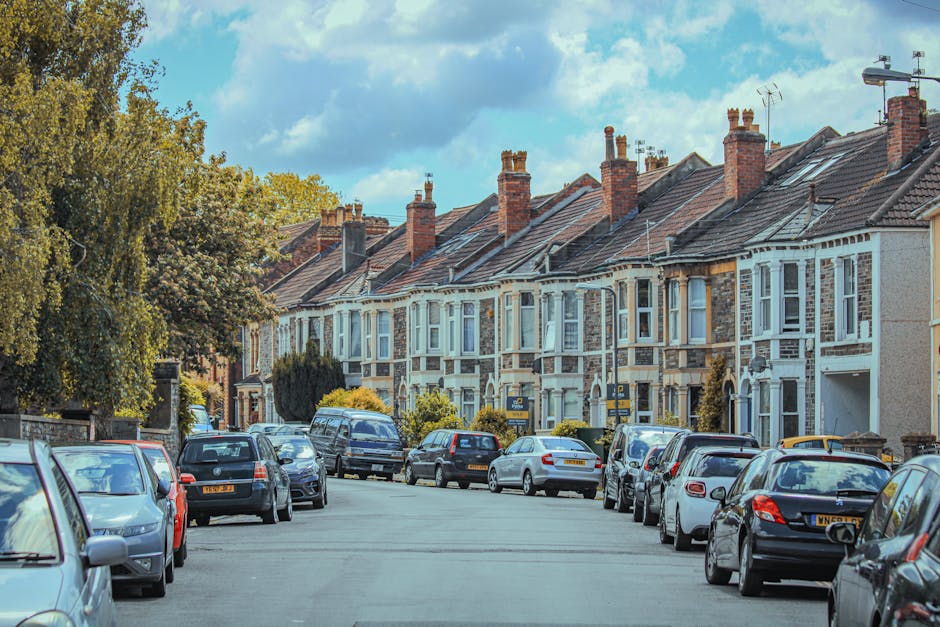
Parking suspensions are not just an inconvenience. On a moving day, they can affect timing, access, loading safety, and even whether your van can stop close enough to the property. In a place like Neasden, where roads can be tight and loading space is often limited, a blocked bay or a surprise suspension can add a lot of pressure very quickly.
The practical problem is simple: removal work depends on proximity. If your vehicle has to park further away than planned, every trip takes longer. That means more time carrying furniture, more risk of damage, and more chance of upsetting neighbours or blocking the pavement. Nobody wants to be the person awkwardly edging a mattress down the street while traffic builds up behind them. Not exactly the dream start to a new home.
There is also the financial side. Delays can mean extra labour time, parking fines, or the cost of rearranging the entire move. For many households, one parking mistake is enough to throw the whole schedule off. If you are already juggling key handover, cleaners, and utility changes, a suspension issue is the sort of thing you really do not need.
That is why local planning matters. If your move involves flat removals in Neasden, narrower access, or a ground-floor property with limited frontage, parking preparation becomes part of the move itself, not an afterthought.
How Avoid parking suspensions in Neasden on moving day Works
In plain English, avoiding a parking suspension means making sure the space your van needs is available, legal, and usable at the exact time you need it. That usually involves checking whether the street has controlled parking, residents' bays, loading restrictions, or temporary suspension notices. In many London moves, the most common mistake is assuming the road will work the same way on moving day as it does on any ordinary day.
Suspensions are often used when access needs to be kept clear for works, events, road management, or other operational reasons. The details vary by location, and the sensible thing is to check well ahead rather than hope for the best. Hope is lovely; parking strategy is better.
For moving day planning, the process usually follows three layers:
- Check the road conditions near both addresses, especially if you are moving in or out of a busier part of Neasden.
- Confirm loading arrangements so the removal vehicle can stop safely without causing an obstruction.
- Build in a fallback in case the preferred bay is unavailable or suspended.
If you are arranging a same-day move, this becomes even more important because there is less time to react. A short delay in parking can lead to a long delay in loading. That is why local move planning often works best when it is treated as a sequence: declutter first, pack properly, then sort access. The article on premove decluttering is useful here because fewer items usually mean a faster loading window and less time needing roadside space.
Key Benefits and Practical Advantages
A well-managed parking plan saves more than time. It gives the entire move a steadier rhythm. You feel it almost immediately on the day: less rushing, fewer shouted instructions, and a lot less standing around in the rain wondering where the van can go.
- Faster loading and unloading because the van is parked closer to the property.
- Lower risk of damage to furniture, walls, doors, and kerbs.
- Less stress for everyone involved, including neighbours and building managers.
- Better schedule control if you are working to key handover times or access windows.
- Reduced chance of penalties from parking restrictions or suspension conflicts.
There is another benefit people sometimes overlook: safety. When a van is parked in the right place, movers are less likely to carry heavy items long distances or take awkward routes through traffic or around parked cars. That can matter a lot with bulky items. For example, if you are moving heavier furniture, the guidance in mastering safe kinetic lifting is a useful reminder that safer handling starts before the item is even lifted.
And if you are moving large pieces like wardrobes or sofas, a well-positioned van can make the difference between a smooth handover and a lot of stop-start lifting. The same applies if you are using furniture removals in Neasden for heavier household items.
Who This Is For and When It Makes Sense
This advice is for anyone who needs a removal vehicle near the property on moving day. That includes homeowners, tenants, students, office movers, and people doing partial moves with one or two large items. If your move depends on direct roadside access, you should treat parking planning as a core task rather than a minor detail.
It makes particular sense if you are:
- moving from a flat with limited street access;
- relocating near a station or busy junction;
- using a short loading window;
- moving large furniture, appliances, or fragile items;
- working with a fixed-time handover or building management rules;
- booking a local removal service where speed matters.
Students often underestimate this. A couple of suitcases and a desk may not sound like much, but if you are moving from shared accommodation, parking can still become a small drama. That is one reason student removals in Neasden benefit from advance route and access planning.
Office and commercial moves need the same care, just with more moving parts. If desks, IT equipment, or filing cabinets are involved, the van needs predictable access. For that kind of job, a Neasden office removals service can be helpful because timing and access are usually tighter than people expect.
Step-by-Step Guidance
Here is the simplest way to stay ahead of parking problems on moving day. Nothing fancy. Just the bits that prevent avoidable mess.
- Check the moving address early. Stand outside if possible, and look at the street at the time of day you expect to load. A road that feels fine at 10 a.m. may be impossible at school run time or in the early evening.
- Identify the nearest legal loading spot. Do not assume the nearest bay will be available. Look for signs, permit zones, yellow lines, and any local restrictions that might apply.
- Ask about temporary suspensions. If a bay is normally needed for a move, make sure you understand whether any suspension is in place or likely to be in effect. This is the bit people often leave until the last minute.
- Allow extra time for the vehicle to position. A van arriving five minutes late is not the same as a van arriving five minutes late and then having nowhere to stop. Build a buffer in, because London traffic loves a curveball.
- Keep the load zone clear. Ask the household to keep the hallway, path, and front entrance open. Boxes near the door are good; a bottleneck of bags, shoes, and coat stands is not.
- Plan a backup route. If the first loading point fails, have a second option ready. Sometimes a side street or a different entrance saves the day.
- Communicate with everyone involved. Removals teams, building managers, and the person holding the keys should all know the plan. A quick text can save a lot of confusion.
If you are planning a full-house move, it helps to combine access planning with packing discipline. The guide on packing like a pro pairs nicely with this because the less last-minute repacking you do on the pavement, the smoother the loading goes.
For bigger domestic moves, a full-service approach can make the whole process more manageable. Many people choose house removals in Neasden when they want the transport, lifting, and local access planning handled together.
Expert Tips for Better Results
A few small habits make a surprisingly big difference. In our experience, these are the details that stop a move from becoming one long, damp, slightly irritable queue.
1. Check the street twice, not once
What looks available the day before can be gone by the morning of the move. Temporary signage, roadworks, or a neighbour's contractor van can change the picture fast.
2. Keep a printed copy of key details
Even in a phone-heavy world, a paper note with the property address, loading instructions, and timing can save hassle if your battery is low or signal is patchy. Old-fashioned? Maybe. Useful? Absolutely.
3. Protect the route as much as the van
If you are carrying items from a front room to the vehicle, think about door widths, steps, and corners as part of the parking plan. A short parking distance is valuable only if the route from door to van is actually workable.
4. Use storage if the move is split
Sometimes the best way to avoid a parking race is to move in stages. If you are not taking everything in one go, storage in Neasden can help reduce pressure on the day and make the load more predictable.
5. Keep an eye on bulky items
Items that are too large for a quick carry can slow the whole schedule. If you have things you do not need anymore, dealing with them before moving day helps. The local article on bulky waste in Neasden is worth a look if you are sorting out what stays and what goes.
Expert summary: Treat parking as part of the move plan, not a separate admin job. If the van cannot get close enough, every other part of the move becomes harder, slower, and more stressful.
Common Mistakes to Avoid
Most parking problems on moving day are predictable. That is the annoying part. The good news is that they are also avoidable if you know what to watch for.
- Leaving parking checks until the morning of the move. By then, you are already under pressure.
- Assuming a bay is usable because it was free yesterday. Parking rules change, and temporary suspensions are easy to miss.
- Forgetting narrow access. A van may fit legally but still be awkward to load if the street is tight.
- Not telling the removal team about restrictions. They can usually adapt, but only if they know early.
- Blocking neighbours or driveways. That can create complaints fast, and nobody wants the neighbour across the road starting the day annoyed.
- Trying to do everything at once. Move day is not the time for a last-minute sort-through in the hallway.
One of the sneakiest mistakes is underestimating the time needed to carry items from a distant parking position. A sofa that should take ten minutes can take twenty-five very quickly if the van ends up two houses away and there are stairs involved. If you have awkward items, such as beds or mattresses, it is worth reading this bed and mattress moving guide before the big day.
Another common issue is overpaying because the day becomes rushed. If you are comparing options, the breakdown in hidden removal fees in Neasden quotes can help you notice what is included and what is not.
Tools, Resources and Recommendations
You do not need fancy equipment to handle parking planning well, just a few practical tools and the right mindset. A decent phone camera, a notes app, and a clear moving timeline will do more for you than you might think.
- Street photos taken a day or two before the move so you can show the removal team the exact setup.
- Printed loading plan with arrival times, parking instructions, and key contacts.
- Box labels so nothing has to be held back while you hunt for the right room.
- Tape, blankets, and trolleys to reduce the number of trips needed from van to door.
- Spare bins or bags for last-minute waste, wrapping, and packaging.
If you are still at the packing stage, packing and boxes in Neasden is a sensible place to start, especially if your move has a lot of small items that need tidy, labelled handling.
For a broader overview of moving planning, the easy house move guide brings together a lot of the early-stage decisions people tend to miss when they are focused only on lifting and transport.
Law, Compliance, Standards, or Best Practice
Parking and loading rules in London can be strict, and they are meant to keep traffic moving and streets safe. The exact conditions vary by street, bay type, time of day, and local authority arrangements, so it is always wise to check the signs on the day and not rely on guesswork. That is especially true in residential streets where bays may be shared, reserved, or time-limited.
From a practical best-practice point of view, the safest approach is to treat parking as a controlled part of the move. Keep vehicles away from dropped kerbs, avoid blocking access points, and make sure pedestrians can still pass safely. If there is any doubt, choose the more cautious option. It might add a few minutes. It usually saves a lot more than that.
For moves involving heavier lifting, it also helps to follow safe handling practices. The ideas in solo heavy-load lifting strategies are useful, but they should never replace proper team lifting where needed. And if you are moving anything high-value or delicate, such as a piano, the risks of DIY parking-and-lifting shortcuts are simply not worth it; that is explained well in the piano moving risks article.
Good movers also work within their own safety policies and insurance expectations. If you want to understand the wider standards behind that approach, the site's insurance and safety information can be helpful as part of your due diligence.
One small clarification: parking suspension requests, permits, or local access arrangements are not all the same thing. People often use the terms interchangeably, but they are different. Knowing which one applies can prevent a very avoidable mix-up.
Options, Methods, and Comparison Table
Different moves need different access strategies. There is no single perfect method, and that is fine. The right choice depends on how much you are moving, how busy the street is, and how close the van can realistically get.
| Method | Best for | Pros | Trade-offs |
|---|---|---|---|
| Direct roadside loading | Most standard house and flat moves | Fast, simple, less carrying distance | Depends on bay availability and restrictions |
| Pre-arranged parking plan | Busy streets and timed moves | More predictable, less stress | Needs advance checking and communication |
| Split move with storage | Large or staged relocations | Reduces day-of pressure and parking demand | May require an extra stop or storage cost |
| Remote parking with manual carry | Where curb access is limited | Flexible if no direct stop is possible | Slower, more labour, higher fatigue |
For many Neasden moves, the best option is a simple hybrid: secure the closest legal loading spot you can, and keep a second plan ready. That might mean a nearby side road, a slightly earlier van arrival, or moving non-essentials first. If you are booking through a local removal service in Neasden, ask how they prefer to handle parking and loading. Good teams usually appreciate being told early.
Case Study or Real-World Example
A fairly typical Neasden scenario goes like this. A couple are moving out of a first-floor flat on a Friday morning. They assume the van can stop outside for half an hour, but the space turns out to be unavailable because a bay restriction changes later than expected. Nothing dramatic, just one of those small urban surprises.
They had already packed well, which helped. Thanks to the early work they did after reading a decluttering guide and sorting the bigger items in advance, the move was not overloaded with unnecessary boxes. But because parking was not fully checked, the van had to stop further away than planned.
The result? The move still happened, but it took longer. The mattress and sofa needed extra carrying distance, the hallway became congested, and the final handover ran a bit tight. Nothing broke. Nobody panicked. Still, everyone was ready for lunch by the time the last box came out, and not the relaxed kind of ready.
In the next move, they handled it differently. They checked the street the day before, confirmed a loading point, kept the front path clear, and had the largest items ready first. The move felt noticeably calmer. Same house type, same street, different level of preparation. That is usually how it goes.
For people in a similar position, combining practical packing advice with local access planning is often the difference between a long morning and a smooth one. If you are near a station or busier road, the local checklist in moving near Neasden Station is especially useful. And if your move involves a building with tighter entry points, this narrow stair moving guide offers a good sense of what to expect.
Practical Checklist
Use this list a day or two before the move. It is simple, but it catches the usual problems.
- Check parking signs at both properties.
- Confirm whether any bay suspensions or restrictions apply.
- Walk the route from van to front door.
- Clear the hallway and entrance area.
- Tell neighbours or building staff if loading may affect access.
- Keep keys, documents, and phone numbers within easy reach.
- Have a backup parking option in mind.
- Prepare bulky items first so they go on the van early.
- Label boxes clearly to speed up loading.
- Keep children and pets out of the loading path.
If you are moving with a van and want a more flexible setup, a man and van in Neasden arrangement can suit smaller loads or tighter access. For moves that need a slightly larger vehicle, a removal van in Neasden may be the better fit. It really depends on the size and shape of the job.
A quick final reminder: if the move is more complex than you first thought, do not be embarrassed to slow it down a notch. Better a tidy move than a rushed one. Let's face it, nobody remembers the minute they saved by forcing the wrong parking spot.
Get a free quote today and see how much you can save.
Conclusion
To avoid parking suspensions in Neasden on moving day, you need a mix of timing, observation, and sensible backup planning. That is really the heart of it. Check the street early, understand what the parking signs mean, keep the loading route clear, and make sure your moving team knows the plan before the van arrives.
When you get the parking right, everything else becomes easier: lifting is safer, loading is faster, and the day feels far less chaotic. And if you are already doing the hard work of moving home, there is something reassuring about knowing that one major variable is under control. Small win, but a real one.
For a smooth Neasden move, practical planning always beats last-minute improvisation. A calm driveway, a clear path, and a van that can stop where it should-sometimes that is all it takes to make the whole day feel manageable.